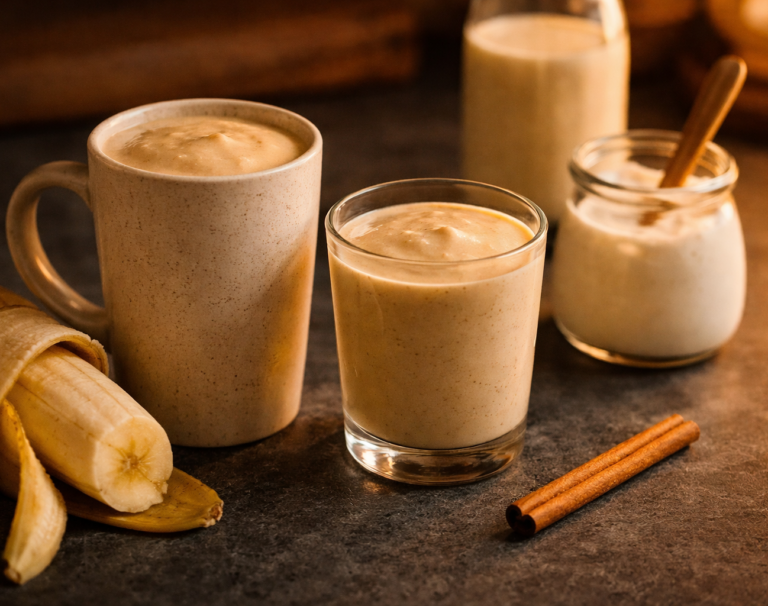
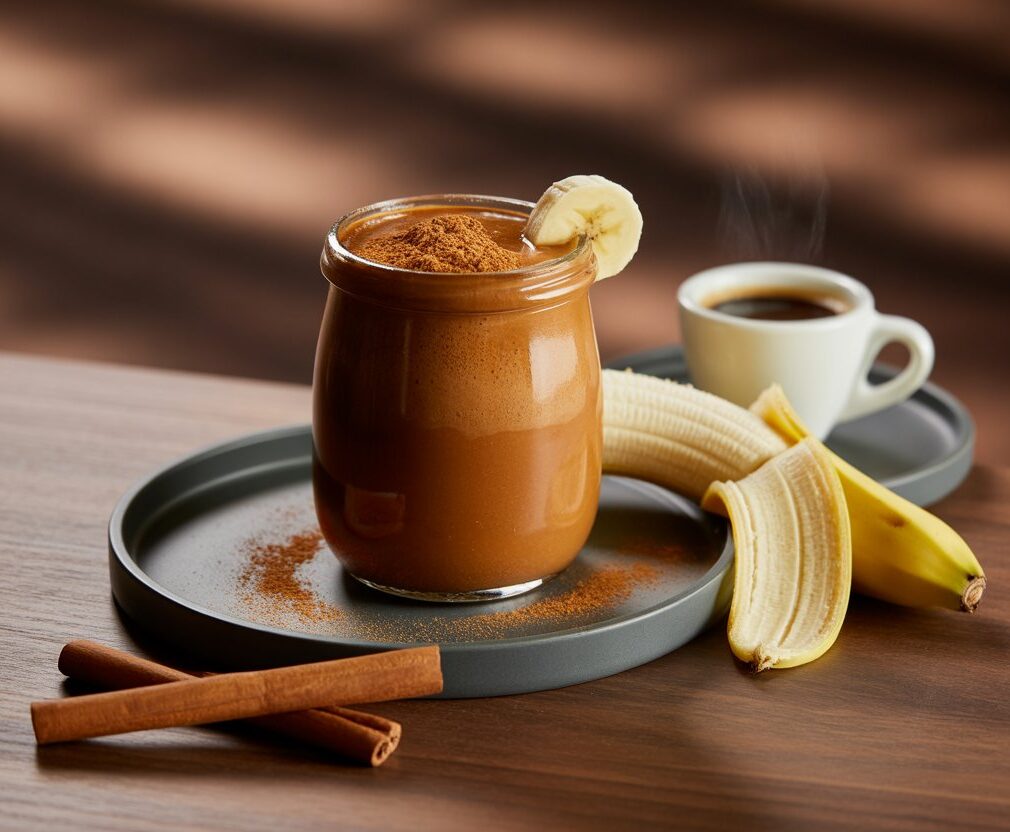
This Banana Coffee Smoothie Melts Stubborn Belly Fat Fast
The One Ingredient Already in Your Kitchen That Most Weight Loss Plans Completely Ignore
You already make coffee every morning. You probably eat a banana a few times a week. What if those two ordinary things, combined in the right way at the right time, could become the most effective part of your daily routine for losing stubborn belly fat?
Not a supplement. Not a powder from a brand you have never heard of. Just coffee, banana, and one more ingredient — made in your blender in under four minutes.
Here is everything you need to know.
Why I Put Coffee in a Smoothie and Never Looked Back
I want to be straightforward about something before we go further. I was deeply skeptical of this combination the first time I came across it. Coffee in a smoothie sounded like a gimmick — the kind of thing that looks good in a photo but tastes wrong and does nothing useful.
I tried it anyway, mostly because I was already making coffee and already making smoothies and the idea of combining them saved me time. What I did not expect was how well the flavors worked together, or how noticeably different I felt on mornings I had this versus mornings I had them separately.
I felt fuller for longer. My energy was steadier no spike and crash from the coffee on an empty stomach. And over several weeks of making this my consistent morning routine alongside reasonable eating and movement, my midsection started to change in a way it had not been changing before.
I cannot tell you this smoothie alone is responsible for that. But I can tell you it became a habit I kept because it worked with everything else I was doing, not against it.
The Science Behind Why This Combination Works
What Coffee Does to Fat Cells
Caffeine is one of the very few substances with a well-documented, research-backed effect on fat metabolism. It stimulates the nervous system and signals fat cells to break down fat releasing it into the bloodstream to be used as fuel. This process is called lipolysis, and caffeine triggers it more effectively than almost any natural compound available.
Beyond lipolysis, caffeine raises your metabolic rate the number of calories your body burns at rest by somewhere between three and eleven percent, depending on the individual. For someone who drinks coffee regularly, this effect is somewhat reduced by tolerance, which is why the rest of this recipe matters. The other ingredients work alongside the caffeine rather than relying on it alone.
Coffee also contains chlorogenic acid, an antioxidant compound that slows the absorption of carbohydrates and has been specifically studied for its effect on abdominal fat accumulation. This is the compound that makes coffee particularly relevant for belly fat rather than just general fat loss.
What Banana Adds Beyond Sweetness
The banana in this recipe is doing several things at once. First, it provides resistant starch — particularly when the banana is slightly underripe, with a few green patches still on the skin. Resistant starch passes through the small intestine undigested and feeds beneficial bacteria in the colon. Those bacteria produce short-chain fatty acids that reduce inflammation, improve insulin sensitivity, and are directly associated with lower rates of abdominal fat storage.
Second, banana provides the potassium and magnesium that balance the dehydrating effect of caffeine. One of the most common reasons people feel bloated or puffy despite drinking coffee regularly is that caffeine is a mild diuretic — it pushes fluid and electrolytes out of the body. The banana replenishes exactly what coffee depletes, which means you get the metabolic benefits of caffeine without the fluid imbalance.
Third, the natural sugar in banana paired with its fiber provides a slow, steady release of energy rather than the sharp spike and drop you get from coffee on an empty stomach. This is why the combination feels different from either ingredient alone.
The Third Ingredient: Greek Yogurt
Greek yogurt is the protein anchor of this recipe. Without it, you have a caffeinated fruit drink — pleasant, but not especially effective. With it, you have a complete breakfast that keeps blood sugar stable, sustains satiety for two to three hours, and provides the amino acids your body needs to preserve and build lean muscle tissue.
Lean muscle tissue is metabolically expensive — it burns more calories at rest than fat tissue does. Protecting and building it through adequate daily protein is one of the most reliable long-term strategies for sustainable fat loss, and most people do not eat enough protein at breakfast.
Greek yogurt also provides probiotics for gut health, and as mentioned in earlier articles in this series, a healthy gut microbiome is increasingly understood to play a direct role in how efficiently the body metabolizes food and manages weight.
Ingredients
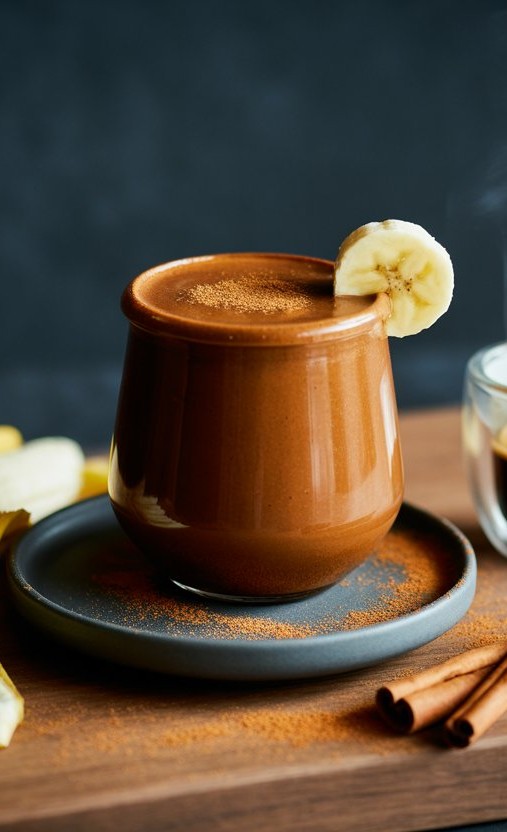
(Makes one serving intended as a complete breakfast)
- 1 shot of brewed espresso or half a cup of strong black coffee, cooled to room temperature
- 1 medium banana, slightly underripe for maximum resistant starch (a few green patches on the skin is ideal)
- Half a cup of plain, unsweetened Greek yogurt
- Half a cup of unsweetened almond milk or regular low-fat milk
- 4 to 5 ice cubes
Optional additions that enhance the core function:
- Half a teaspoon of ground cinnamon — for blood sugar stabilization and added warmth of flavor
- One teaspoon of unsweetened cocoa powder — adds a mocha depth and provides additional antioxidants and magnesium
- One tablespoon of almond butter — adds healthy monounsaturated fats, increases satiety significantly, and slows digestion further for a flatter post-meal blood sugar curve
- A very small pinch of sea salt — brings out the natural sweetness of the banana and rounds out the coffee bitterness without adding sugar
Budget and availability notes:
If you do not have an espresso machine, very strong black coffee brewed in any method works — just use a smaller amount of water to brew it stronger than usual. Instant coffee dissolved in a small amount of hot water and allowed to cool is a completely acceptable alternative. The quality of coffee matters less here than the caffeine and chlorogenic acid content, both of which are present in any form of brewed coffee.
How to Make It
Step 1: Brew your coffee or espresso and allow it to cool to room temperature. This step is important — adding hot coffee to yogurt or banana causes the yogurt to separate and the banana to cook slightly, which changes both the texture and the nutrient composition. If you are short on time, brew the coffee the night before and store it in the refrigerator.
Step 2: Add the Greek yogurt to the blender first. Starting with the yogurt at the base helps the blender process everything more evenly.
Step 3: Break the banana into four or five pieces and add it on top of the yogurt.
Step 4: Pour the cooled coffee and the almond milk over the banana and yogurt.
Step 5: Add ice cubes and any optional additions cinnamon, cocoa powder, almond butter.
Step 6: Blend on high speed for 30 to 45 seconds until completely smooth. The final texture should be thick, creamy, and uniform — similar to a milkshake consistency. If it is too thick, add a small splash more almond milk. If it is thinner than you prefer, add a few more ice cubes or a small extra spoonful of yogurt.
Step 7: Drink immediately. Unlike some smoothies, this one is best consumed right after blending because the coffee begins to oxidize quickly and the banana can brown and shift in flavor within 20 to 30 minutes.
When to Drink It and How to Maximize the Effect
Best time: First thing in the morning, 30 minutes after waking up, as your complete breakfast. This timing aligns with the natural cortisol peak that occurs in the early morning— your body is already in a fat-mobilizing state upon waking, and the caffeine from this smoothie amplifies that effect rather than fighting your natural hormonal rhythm.
One important note on coffee timing: Many nutritionists recommend waiting 90 minutes after waking before having caffeine, to avoid interfering with your natural cortisol curve. If this is something you are attentive to, have a glass of water first, wait 60 to 90 minutes, and then have this smoothie. Both approaches are legitimate choose the one that fits your schedule and how your body responds.
Pre-workout option: If you exercise in the morning, drink this smoothie 30 to 45 minutes before your workout. The caffeine enhances physical performance and fat oxidation during exercise, the banana provides quick-access fuel, and the yogurt protein supports muscle protection during training.
Who this is best suited for:
People who already drink coffee in the morning and want to make that habit more nutritionally functional. Anyone who tends to skip breakfast, eat a poor breakfast, or drink coffee on an empty stomach and then feel hungry and irritable by mid-morning. People who are actively working on reducing abdominal fat and want a breakfast that supports that goal metabolically rather than working against it.
Who should approach this carefully:
People who are sensitive to caffeine, those with anxiety disorders, pregnant women, anyone with heart conditions or high blood pressure, and people who do not currently consume caffeine regularly should either reduce the coffee amount significantly or consult their doctor before adding a concentrated caffeine drink to their daily routine. This is a straightforward recipe, but caffeine is a real stimulant and its effects vary significantly between individuals.
Common Mistakes That Reduce the Effectiveness
Using sweetened yogurt or flavored coffee creamer. Both introduce significant added sugar into a drink that does not need it. The banana provides all the natural sweetness this recipe requires. Flavored yogurt can contain as much sugar per serving as a small dessert. Added sugar before the metabolic window of the morning is one of the fastest ways to shift your body into fat storage rather than fat burning mode.
Using an overripe, very spotty brown banana. Very overripe bananas have almost no resistant starch left — all of it has converted to simple sugars. While a ripe yellow banana is fine, a very brown, mushy banana significantly changes the nutritional profile of this recipe. Aim for fully yellow with just a few light spots — ripe enough to be sweet and easily digestible, not so ripe that the fiber structure is gone.
Drinking it alongside a large breakfast. This smoothie is a complete breakfast on its own. Adding a full meal on top of it significantly increases your caloric intake for the morning and removes one of the key benefits — the sustained fullness that comes from the balanced protein, fat, and fiber combination in the right amounts. Have the smoothie as your breakfast, not in addition to it.
Expecting fast results without any other changes. The word “fast” in the title refers to the speed at which this smoothie’s active compounds begin working in your system — not the timeline for visible fat loss. Belly fat, and stubborn fat in particular, responds to consistent caloric deficit, adequate protein, regular movement, good sleep, and low chronic stress. This smoothie supports all of those conditions. It does not replace them.
Adding too many extras and losing the simplicity. The three core ingredients are chosen because they work together efficiently. If you add protein powder, multiple nut butters, seeds, superfoods, and sweeteners all at once, you end up with a very dense, high-calorie drink that no longer serves the same purpose. If you want to add something, add one thing at a time and assess how it changes the drink and how you feel.
Variations for Different Needs
The Mocha Fat-Burning Version
Add one tablespoon of unsweetened cocoa powder and one teaspoon of almond butter to the base recipe. The cocoa adds theobromine a compound similar to caffeine that provides a gentler, longer-lasting energy boost — along with additional antioxidants and a rich chocolate-coffee flavor. The almond butter adds monounsaturated fat, which slows digestion, increases satiety, and provides fuel that the body preferentially burns rather than stores. This version works particularly well as a pre-workout drink.
The High-Protein Version
Add one scoop of unflavored or lightly vanilla-flavored whey or plant protein powder. This increases the protein content to approximately 30 to 35 grams per serving, which is appropriate for anyone doing moderate to heavy resistance training in the morning. The additional protein further protects lean muscle mass during calorie-controlled eating and keeps hunger suppressed well into the afternoon.
The Dairy-Free Version
Replace Greek yogurt with coconut yogurt and use oat milk in place of almond milk. Add two tablespoons of hemp seeds to compensate for the lower protein content of coconut yogurt. Hemp seeds are a complete protein — containing all nine essential amino acids — and blend into the smoothie without any noticeable texture or flavor change. The oat milk adds a mild creaminess that works well with the coffee and banana combination.
The Gentle Caffeine Version
For people who are moderately caffeine-sensitive but still want the metabolic benefits, use half a shot of espresso or two tablespoons of cold brew coffee concentrate diluted with water. The chlorogenic acid and some of the metabolic benefit remains at lower doses, while the stimulant effect is significantly reduced. Green tea can also be used as a partial substitute — brew a strong cup of green tea, cool it, and use it in place of coffee for a gentler caffeine source that also contains EGCG, another well-studied fat-metabolism compound.
The Honest Conversation About Belly Fat
Belly fat specifically visceral fat, the fat stored deep around the internal organs is the most metabolically active and health-relevant type of body fat. It is also the most responsive to dietary and lifestyle changes, which is genuinely good news.
The bad news is that it does not respond to a single food or drink, no matter how well that food or drink is formulated. It responds to a sustained pattern of behaviors: consistent moderate caloric deficit, adequate daily protein, regular physical activity including both cardiovascular and resistance exercise, stress management (because cortisol is one of the primary drivers of visceral fat accumulation), and quality sleep.
This banana coffee smoothie contributes meaningfully to that pattern. The caffeine and chlorogenic acid from coffee have genuine, documented effects on fat metabolism. The resistant starch from banana supports the gut health and insulin sensitivity that make fat loss more efficient. The protein from Greek yogurt protects muscle mass and keeps hunger under control. Together, these effects are real they are just not magic.
Use this smoothie as a strong foundation for a better morning. Combine it with movement, reasonable eating through the rest of the day, and consistent sleep. That is the pattern that produces the results the title describes and it is a pattern worth building because it is sustainable, not because it promises something overnight.
Start Tomorrow Morning
You have coffee. You probably have a banana. Greek yogurt costs less than almost any supplement on the market and delivers more documented benefit than most of them.
Make this tomorrow morning instead of your usual breakfast. Give it three weeks of consistency before you decide whether it is working.
If this article was useful to you, save it so you can refer back to the recipe and variations. Share it with someone who drinks coffee every morning and does not yet know it could be doing more for them.